Skip to Content
Ayurveda Hong Kong
Hong Kong Ayurveda
About Lakshmi
Womb Healing
Case Studies
Practitioner Pages
FAQ
What is Ayurveda
What is Health
Agni
Ayurvedic-Routines
The 6 Tastes
Tongue Diagnosis
Dhatus/Tissues
What is Yoni Pichu
Solfeggio Frequencies
Sacred Geometry
Unlocking the Secrets of Vaginal Steaming
Ayurvedic Animals
Herbs Index
Transformative Workshops
Ayurvedic Therapies
Practitioner
Client Video Resources
Ayurvedic Yoga
Kitchari Cleansing
Members
Ai-gency.net
Bookings
Recipes
Blog
Press
Ayur Digital Products
Contact
Shop
Login Account
0
0
Educational Resources
Ayurveda Hong Kong
Hong Kong Ayurveda
About Lakshmi
Womb Healing
Case Studies
Practitioner Pages
FAQ
What is Ayurveda
What is Health
Agni
Ayurvedic-Routines
The 6 Tastes
Tongue Diagnosis
Dhatus/Tissues
What is Yoni Pichu
Solfeggio Frequencies
Sacred Geometry
Unlocking the Secrets of Vaginal Steaming
Ayurvedic Animals
Herbs Index
Transformative Workshops
Ayurvedic Therapies
Practitioner
Client Video Resources
Ayurvedic Yoga
Kitchari Cleansing
Members
Ai-gency.net
Bookings
Recipes
Blog
Press
Ayur Digital Products
Contact
Shop
Login Account
0
0
Educational Resources
Hong Kong Ayurveda
Folder: About Us
Back
About Lakshmi
Womb Healing
Case Studies
Practitioner Pages
FAQ
Folder: What is Ayurveda
Back
What is Ayurveda
What is Health
Agni
Ayurvedic-Routines
The 6 Tastes
Tongue Diagnosis
Dhatus/Tissues
What is Yoni Pichu
Solfeggio Frequencies
Sacred Geometry
Unlocking the Secrets of Vaginal Steaming
Ayurvedic Animals
Herbs Index
Folder: Offerings
Back
Transformative Workshops
Ayurvedic Therapies
Practitioner
Client Video Resources
Ayurvedic Yoga
Kitchari Cleansing
Members
Ai-gency.net
Bookings
Recipes
Blog
Press
Ayur Digital Products
Contact
Shop
Login Account
Educational Resources
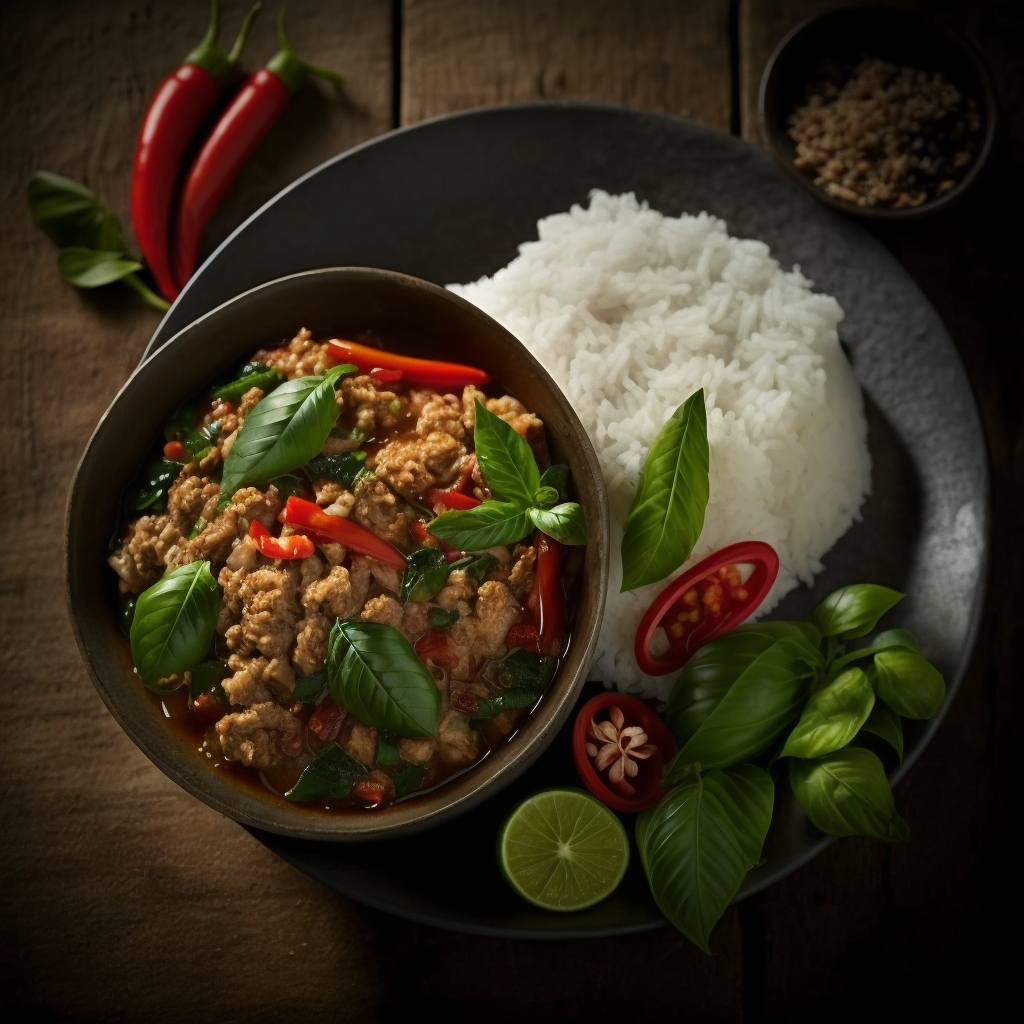
Stir-Fried Basil Leaves tofu or omni pork
Recipe Lakshmi Harilela 10/6/22 Recipe Lakshmi Harilela 10/6/22

Stir-Fried Basil Leaves tofu or omni pork

Read More

Ayurvedic Home Protocol for Dermatitis (Skin Inflammation & Eczema)

Root-based, gentle, and practical

Main Goals of Treatment

  1. Improve digestion (Agni)

  2. Remove toxins (Ama)

  3. Cool and purify the blood (Rakta Shodhana)

  4. Calm inflammation and itching

  5. Prevent recurrence

STEP 1: DAILY DIET PROTOCOL (MOST IMPORTANT)

Foods to EAT (Healing Diet)

Eat simple, warm, freshly cooked food.

  • Rice or barley

  • Moong dal (yellow split mung)

  • Steamed vegetables (bottle gourd, zucchini, pumpkin, bitter gourd)

  • Cooked leafy greens (spinach, coriander)

  • Homemade vegetable soups

  • Small amount of ghee (½–1 tsp daily)

  • Warm water or coriander–fennel tea

👉 Think light, cooling, and easy to digest.

Foods to AVOID (Very Important)

Strictly avoid during flare-ups:

  • Dairy (curd, cheese, yogurt, milk at night)

  • Fried, oily, junk food

  • Spicy food, chilies

  • Sugar and sweets

  • Alcohol

  • Seafood and red meat

  • Sour foods (vinegar, citrus, pickles)

👉 Even one wrong food can trigger itching.

STEP 2: DAILY HERBAL SUPPORT (INTERNAL)

Morning (Empty Stomach)

Neem + Turmeric Water

  • Neem powder – ¼ tsp

  • Turmeric powder – ¼ tsp

  • Warm water – 1 cup

Take daily for blood purification and inflammation.

(If neem is too bitter, reduce dose)

After Meals (Digestive Support)

Triphala Powder

  • ½ tsp at bedtime with warm water

Helps:

  • Gentle detox

  • Improves digestion

  • Prevents toxin buildup

Optional Herbal Support (Choose 1–2)

  • Guduchi (Giloy) powder – ½ tsp once daily
    → Excellent for skin immunity and chronic inflammation

  • Manjistha powder – ½ tsp once daily
    → One of the best blood-purifying herbs for skin

STEP 3: EXTERNAL SKIN CARE (NATURAL & GENTLE)

Daily Oil Application (Once Daily)

Choose ONE oil:

  • Coconut oil (cooling, best for itching)

  • Neem oil (if oozing or infection-prone)

  • Sesame oil (if very dry skin)

Apply a thin layer after bath or before bed.

Weekly Herbal Paste (2–3 times/week)

Mix:

  • Neem powder – 1 tsp

  • Turmeric – pinch

  • Water or rose water

Apply to affected area for 15–20 minutes, then wash gently.

Bathing Tips

  • Use lukewarm water

  • Avoid harsh soaps

  • Use herbal or mild soap only

  • Do not scrub the skin

STEP 4: DAILY LIFESTYLE ROUTINE

What to DO

  • Sleep before 10:30 pm

  • Gentle walking or yoga

  • Keep skin moisturized

  • Wear loose cotton clothing

  • Practice calm breathing or meditation

What to AVOID

  • Late nights

  • Stress and anger

  • Excess sun exposure

  • Sweating followed by cold air

  • Chemical cosmetics and fragrances

STEP 5: MIND–SKIN HEALING

Ayurveda clearly states that stress worsens skin disease.

Simple daily practice:

  • 5–10 minutes slow breathing

  • Reduce screen time at night

  • Create a calm evening routine

A calm mind cools the skin.

EXPECTED HEALING TIMELINE

  • 2–3 weeks: Reduced itching, calmer skin

  • 4–6 weeks: Less redness and dryness

  • 2–3 months: Fewer flare-ups, stronger skin

Consistency matters more than speed.

IMPORTANT SAFETY NOTES

  • Stop herbs if irritation occurs

  • Pregnant or breastfeeding women should consult first

  • Do not stop prescribed medications suddenly

  • Chronic cases benefit from professional guidance

SIMPLE SUMMARY

Dermatitis heals when:

  • Digestion improves

  • Blood is purified

  • Heat is reduced

  • Stress is managed

Ayurveda treats the root, not just the rash.

Ayurvedic Home Care Summary for Dermatitis (Eczema & Skin Inflammation)

Ayurvedic View

Dermatitis is not only a skin problem. Ayurveda sees it as a sign of poor digestion, toxin buildup, blood impurity, excess body heat, and stress. Healing happens by correcting these root causes.

1. Main Goals of Treatment

  • Improve digestion

  • Remove toxins from the body

  • Cool and purify the blood

  • Reduce itching, redness, and inflammation

  • Prevent recurrence

2. Daily Healing Diet (Most Important)

Eat More Of

  • Warm, freshly cooked food

  • Rice or barley

  • Moong dal (yellow mung lentils)

  • Steamed vegetables (bottle gourd, pumpkin, zucchini, bitter gourd)

  • Cooked leafy greens

  • Small amount of ghee (½–1 tsp daily)

  • Warm water or coriander–fennel tea

Avoid Completely During Flare-Ups

  • Dairy (milk, curd, cheese, yogurt)

  • Spicy, fried, oily food

  • Sugar and sweets

  • Alcohol

  • Seafood and red meat

  • Sour foods (vinegar, citrus, pickles)

3. Simple Herbal Support (At Home)

Morning (Empty Stomach)

  • Neem powder – ¼ tsp

  • Turmeric powder – ¼ tsp

  • Warm water – 1 cup

(Helps purify blood and reduce inflammation)

Night (Before Bed)

  • Triphala powder – ½ tsp with warm water

(Improves digestion and detoxification)

Optional (Choose One)

  • Guduchi (Giloy) powder – ½ tsp daily

  • Manjistha powder – ½ tsp daily

4. External Skin Care

Daily Oil Application

Apply a thin layer once daily:

  • Coconut oil (best for itching and heat)

  • Neem oil (if oozing or infection-prone)

  • Sesame oil (for very dry skin)

Herbal Paste (2–3 times per week)

  • Neem powder – 1 tsp

  • Turmeric – pinch

  • Water or rose water

Apply for 15–20 minutes, then wash gently.

5. Bathing & Skin Care Tips

  • Use lukewarm water

  • Avoid harsh soaps and scrubbing

  • Pat skin dry, do not rub

  • Wear loose cotton clothing

6. Lifestyle & Mind Care

  • Sleep before 10:30 pm

  • Reduce stress and anger

  • Gentle walking or yoga

  • 5–10 minutes daily breathing or meditation

Stress directly worsens skin conditions.

7. Expected Improvement

  • 2–3 weeks: Less itching and irritation

  • 4–6 weeks: Reduced redness and dryness

  • 2–3 months: Fewer flare-ups and stronger skin

Important Notes

  • For mild to moderate dermatitis only

  • Stop herbs if irritation occurs

  • Pregnant or breastfeeding women should consult first

  • Chronic cases need professional Ayurvedic guidance

Ayurvedic Healing Principle

Healthy digestion + clean blood + calm mind = healthy skin

Never miss a Recipe

Thank you!

Email: lakuh@ayurveda.com

info@ayurvedahk.com

Phone: +852 9504 0288

  • Discover Your Dominant Ayurvedic Dosha! Dive into our quiz and uncover whether you lean towards vata, pitta, or kapha tendencies.

  • Ayurvedic Beauty Rituals for Women

  • Ayurvedic Self-Care Practices for Women

  • Hormonal Balance in Ayurveda

  • AyurvedaHk 2024 © Health History Questionnaire

    Please take the time to fill out this questionnaire carefully so that we may provide you with a complete evaluation. All of your answers will be held absolutely confidential. If you have any questions, please ask.